
I write about marketing where trust matters most.
Most of my thinking sits around brand growth, customer behaviour and financial services marketing. I’m interested in how brands build trust, become easier to remember and give people enough confidence to choose them.
That usually means writing about trust, memory, AI search, earned media, positive emotion, internal communication and what actually works in regulated or high-consideration categories.

Woolworths’ Disney Ooshies promotion sold out far earlier than planned, showing strong customer demand but also revealing operational shortfalls that can damage brand trust when stock runs out; while Woolworths can absorb the disappointment due to its scale, smaller brands risk reputation harm if they cannot meet demand, so marketers should plan for success by forecasting capacity, communicating availability changes promptly, and handling unmet promises to maintain customer confidence.
 Matt Farnham
AI summary: Heartland Bank Australia's "Turn Someday into Today" campaign was named a national finalist in the Marketing Strategy category of the 2026 AMI Marketing Excellence Awards, highlighting its innovative approach to reposition reverse mortgages as a positive, choice‑driven option for older Australians and showcasing the strategic work led by Matt Farnham.
Matt Farnham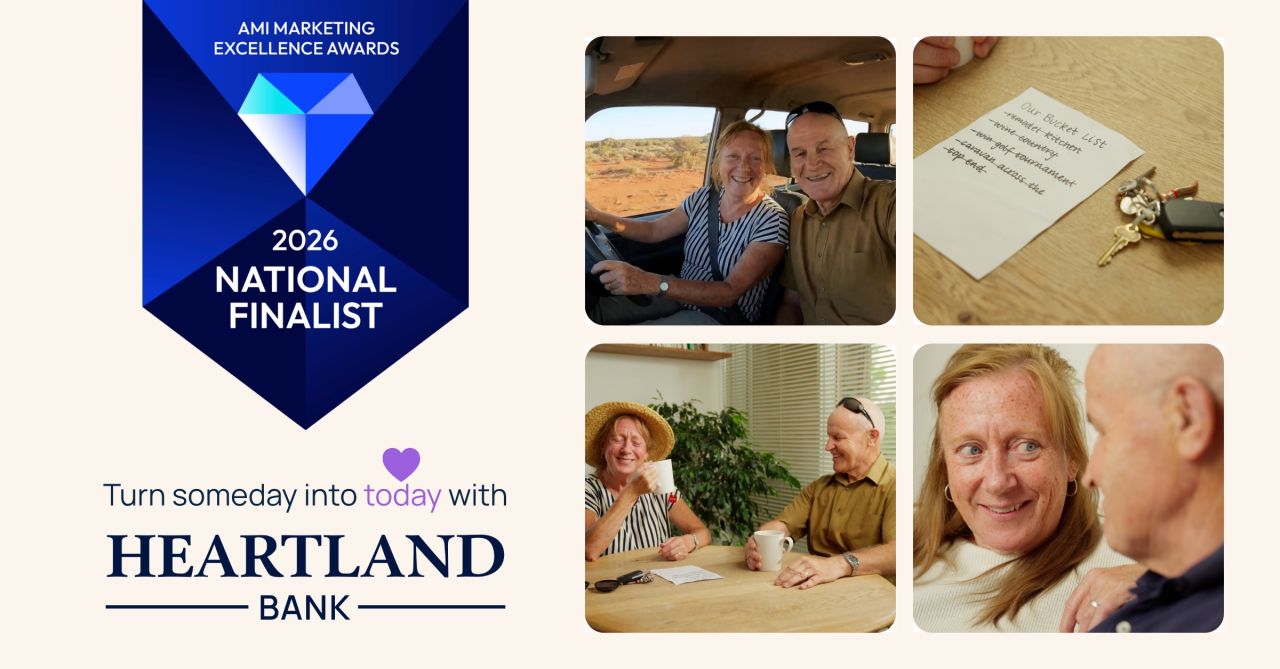

Highly recognisable brands like Telstra can suffer severe trust deficits, where widespread awareness amplifies negative perceptions during failures such as the July 2026 outage; to recover, companies must fix underlying causes of distrust, provide transparent, verifiable proof of change, and consistently attach this evidence to their strong brand cues, rather than relying on apologies or generic reassurance campaigns.
Matt Farnham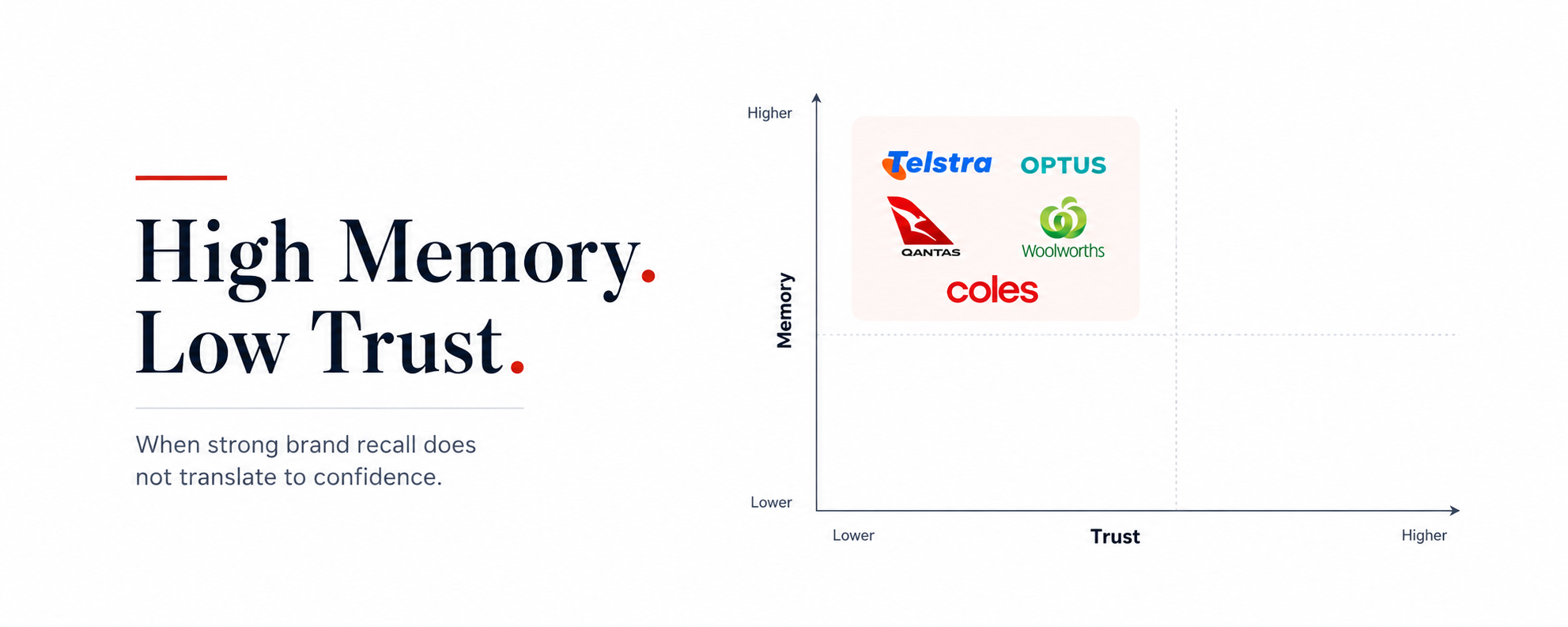

Trust can become a commercial asset when it drives money movement, as shown by Commonwealth Bank’s recent recovery: heavy safety investments cut scam losses, boosted deposit share, funding, and lending growth, and reinforced its strong brand memory. This illustrates that trust needs proof and attribution; without both, brands may be considered but not chosen. Marketers should combine tangible trust‑building actions with a well‑attributed brand to convert trust into measurable financial results.
Matt Farnham

AI search turns trust into a searchable asset, making brands reliant on clear, consistent, and credible signals across owned, earned, and paid media; generative engine optimisation (GEO) can boost visibility by up to 40 %, but success depends on third‑party credibility and alignment of brand messaging, especially in high‑trust sectors.
Matt Farnham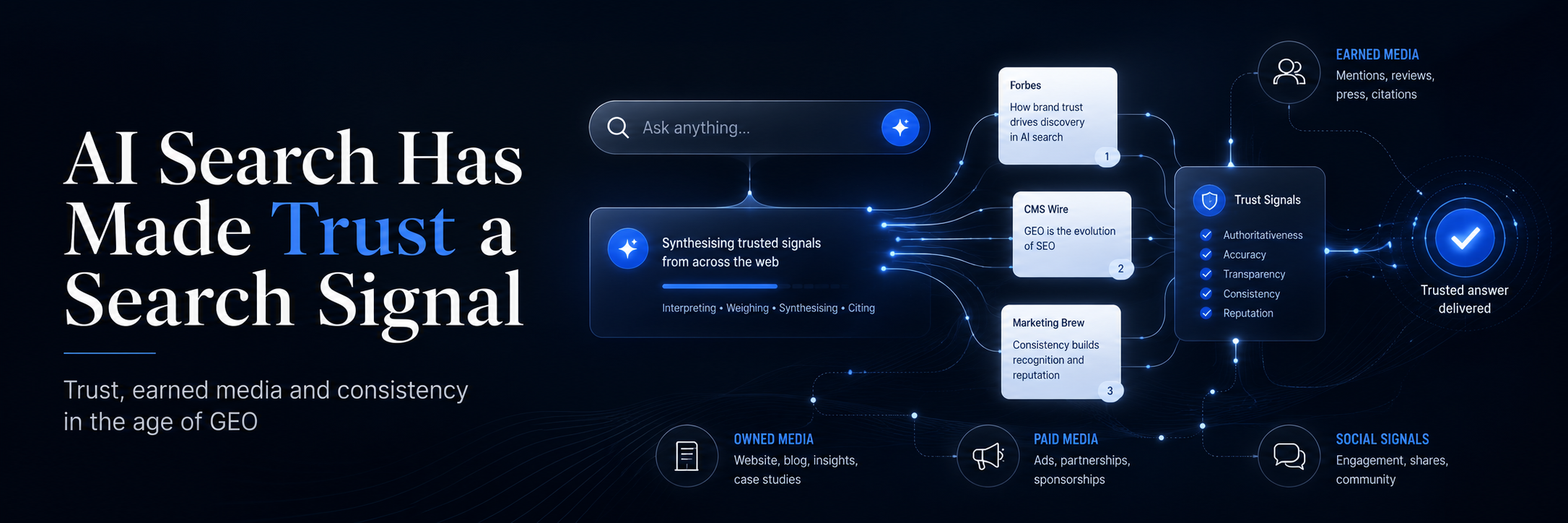

Positive emotion—relief, hope, humor—outperforms fear in financial services marketing by building trust, memory, and long‑term profitability; research shows fear may grab attention but often reduces brand liking and can paralyze decision‑making, while emotionally connected customers hold more products, spend more, and stay loyal, especially among older audiences who favor positivity. Using positive emotional storytelling enhances mental availability and drives stronger brand growth than fear‑based tactics.
Matt Farnham

Effective internal communication during change should answer three core questions—what has changed, why it has changed, and how people need to act—to reduce uncertainty, build trust, and drive clear behavioral adoption, ensuring messages are concise, actionable, and aligned with how people naturally process change.
Matt Farnham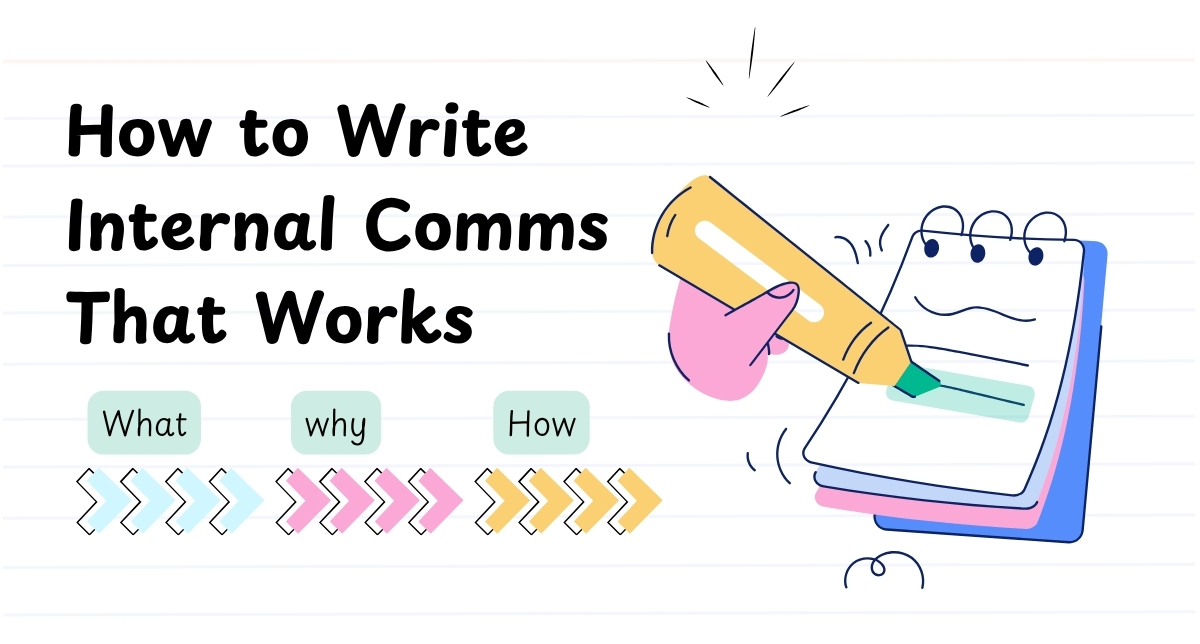

Banking trust in Australia has risen sharply, making the sector the fourth most trusted industry and offering marketers a strong opportunity to promote high‑trust products like equity release. Marketers should focus on education, authentic customer stories, practical tools, clear protection messaging, and platform‑specific outreach while measuring success with deeper metrics such as NPS. This trust boost especially benefits challenger banks like Heartland, enabling them to build deeper loyalty through targeted, relationship‑focused strategies.
Matt Farnham

Big Brother 2025 became Network 10’s biggest streaming series, reaching 5.5 million viewers and 449 million streaming minutes, driving a 31 % year‑on‑year increase in digital streaming and a total reach of 24.7 million Australians, especially younger audiences. The 24‑hour live feed let viewers compare raw footage with edited episodes, highlighting the value of transparency, short snackable content, and community engagement. Marketers should prioritize streaming‑first, mobile‑friendly strategies, provide behind‑the‑scenes access, create micro‑moment content, and involve audiences as co‑creators to capture growth in younger demographics.
Matt Farnham

A marketing leader created a 12-month career roadmap using ChatGPT, focusing on cementing their position, expanding skills in PR and media, building a personal brand, exploring entrepreneurial ideas, and preparing for future roles. The plan is structured by quarters, emphasizing visibility, launching initiatives, scaling efforts, and reflecting on progress, all aimed at intentional growth rather than just increased hustle.
Matt Farnham

Agencies need to improve transparency in their proposals to build trust and secure business. Key aspects include clear pricing, specific deliverables, and understanding client goals. Agencies should avoid vague promises, demonstrate curiosity about client constraints, and foster a partnership mindset to enhance collaboration and communication, ultimately making their services feel like a valuable investment rather than a gamble.
Matt Farnham
Meta’s new ‘Core Restrictions’ classify financial services as high‑risk, blocking custom parameters, stripping URL data, limiting custom audiences and advanced matching on Facebook and Instagram in Australia. While intended to curb scams, these blanket limits also hinder legitimate, licensed financial businesses by reducing ad performance, complicating fraud detection, and pushing spend to other platforms. Suggested improvements include better vetting, ASIC collaboration, and exemptions for AFSL holders, alongside workarounds like Meta Pixel custom events for tracking page views.
Matt Farnham

AI summary: The Content Summit highlighted practical storytelling frameworks, the importance of consistent brand messaging, direct customer engagement, the “Why Though?” questioning technique paired with impact‑effort analysis, and data‑driven, locally relevant insights—all aimed at strengthening MOVE Bank’s brand, improving marketing effectiveness, and fostering innovative, customer‑focused content strategies.
Matt Farnham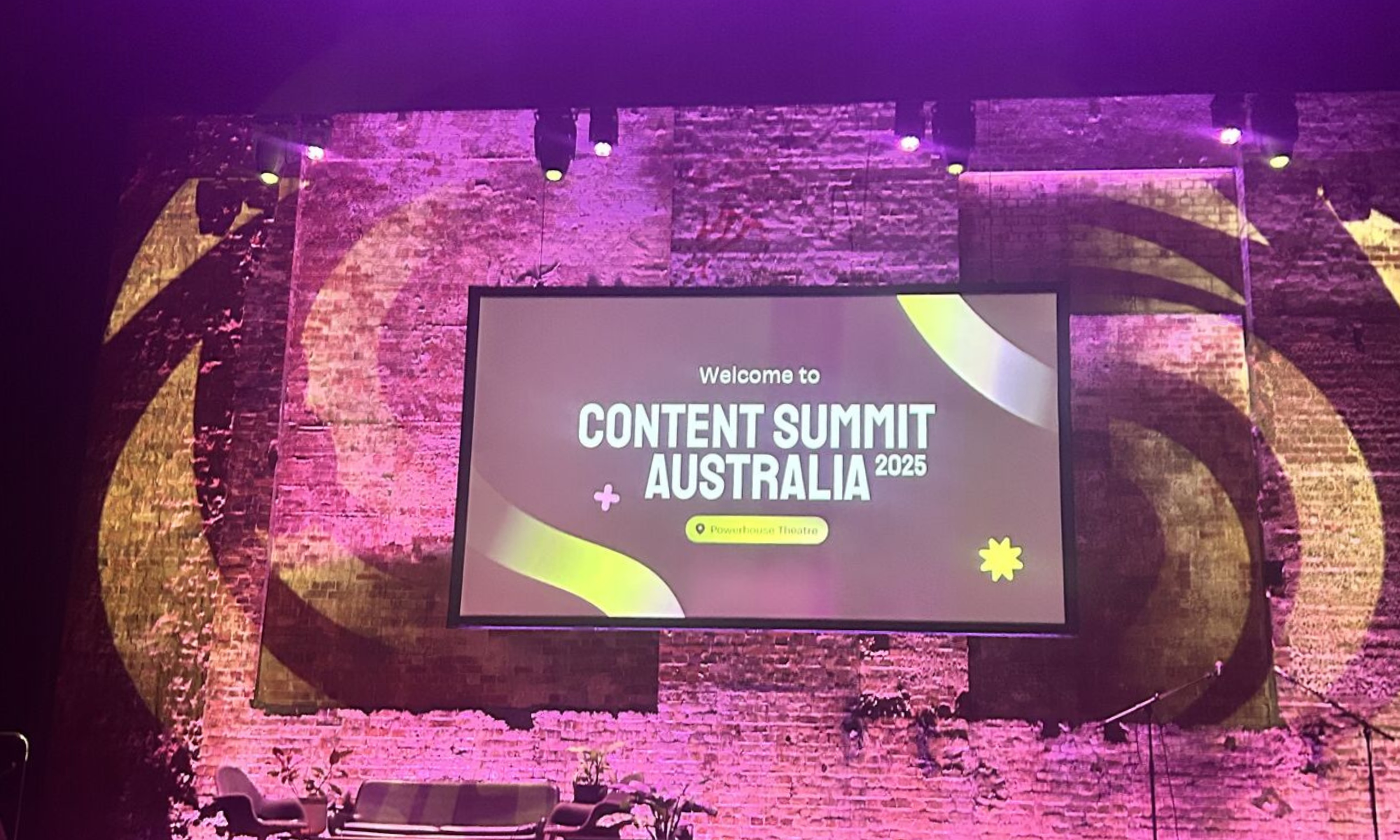

Balancing strategy and execution in a small marketing team requires clear priorities, disciplined prioritisation, and empowering team members while staying hands‑on without micromanaging; regular strategy check‑ins, practical frameworks like OKRs or an Impact/Effort matrix, and a willingness to step in on tactical work when needed foster agility, ownership, and strong results.
Matt Farnham

The 4 Disciplines of Execution (4DX) provide a practical framework for marketing teams to achieve high‑impact goals by focusing on a few Wildly Important Goals, measuring controllable lead actions, maintaining a visible scoreboard to track progress, and establishing a regular cadence of accountability through check‑ins and reviews, enabling teams to prioritize, act, stay motivated, and continuously improve their marketing performance.
Matt Farnham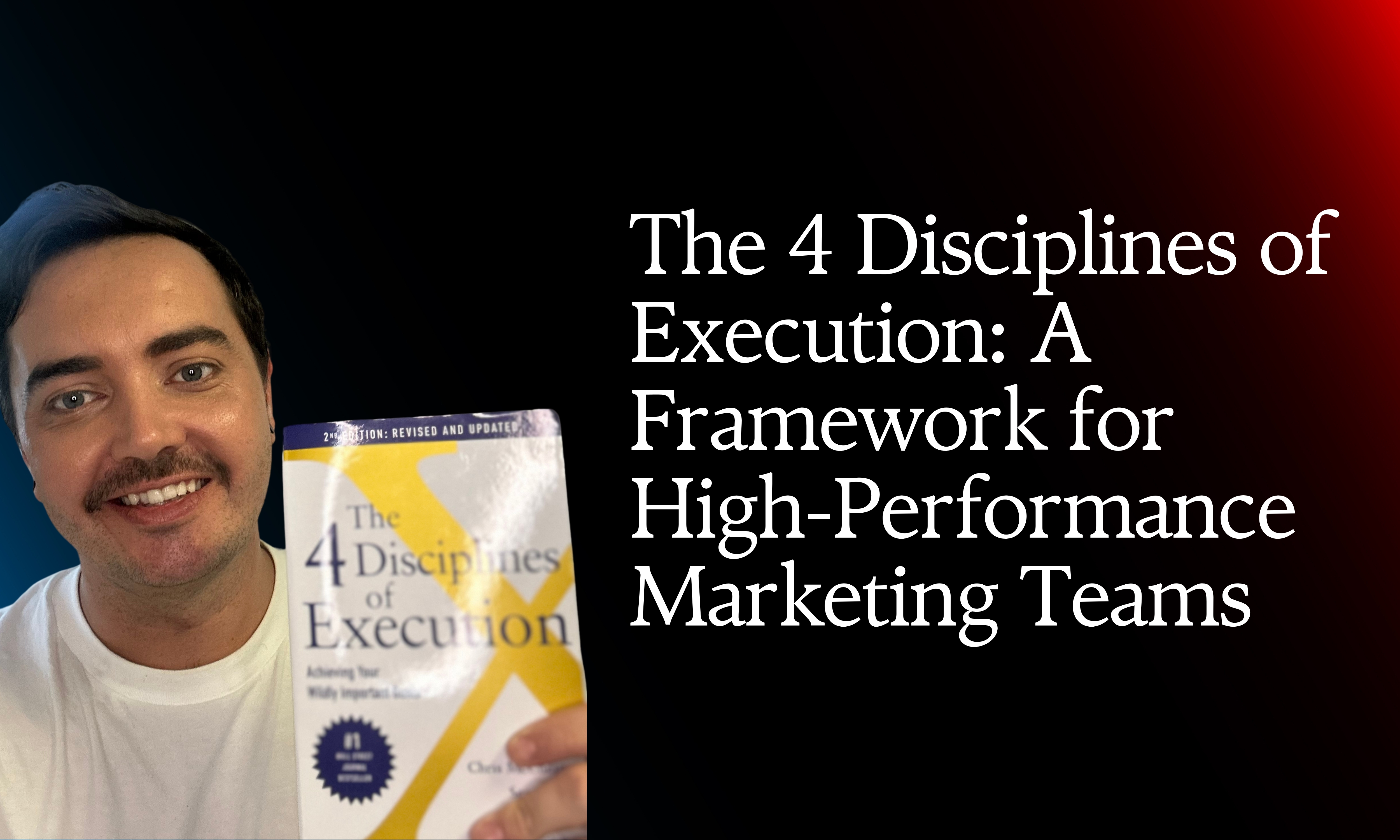

AI summary: The summit highlighted that strong brand feeling and identity, built through cohesive experiences and multi‑touchpoint video, are crucial; cross‑department synergy is essential, with brand awareness driving long‑term sales and all teams sharing brand responsibility; capturing short attention spans requires emotionally resonant, lo‑fi content that outperforms polished production, boosting views and reach; and successful marketing blends data‑driven strategy with human connection, emphasizing consistency, authenticity, and continuous learning in areas like AI analytics and pixel targeting.
Matt Farnham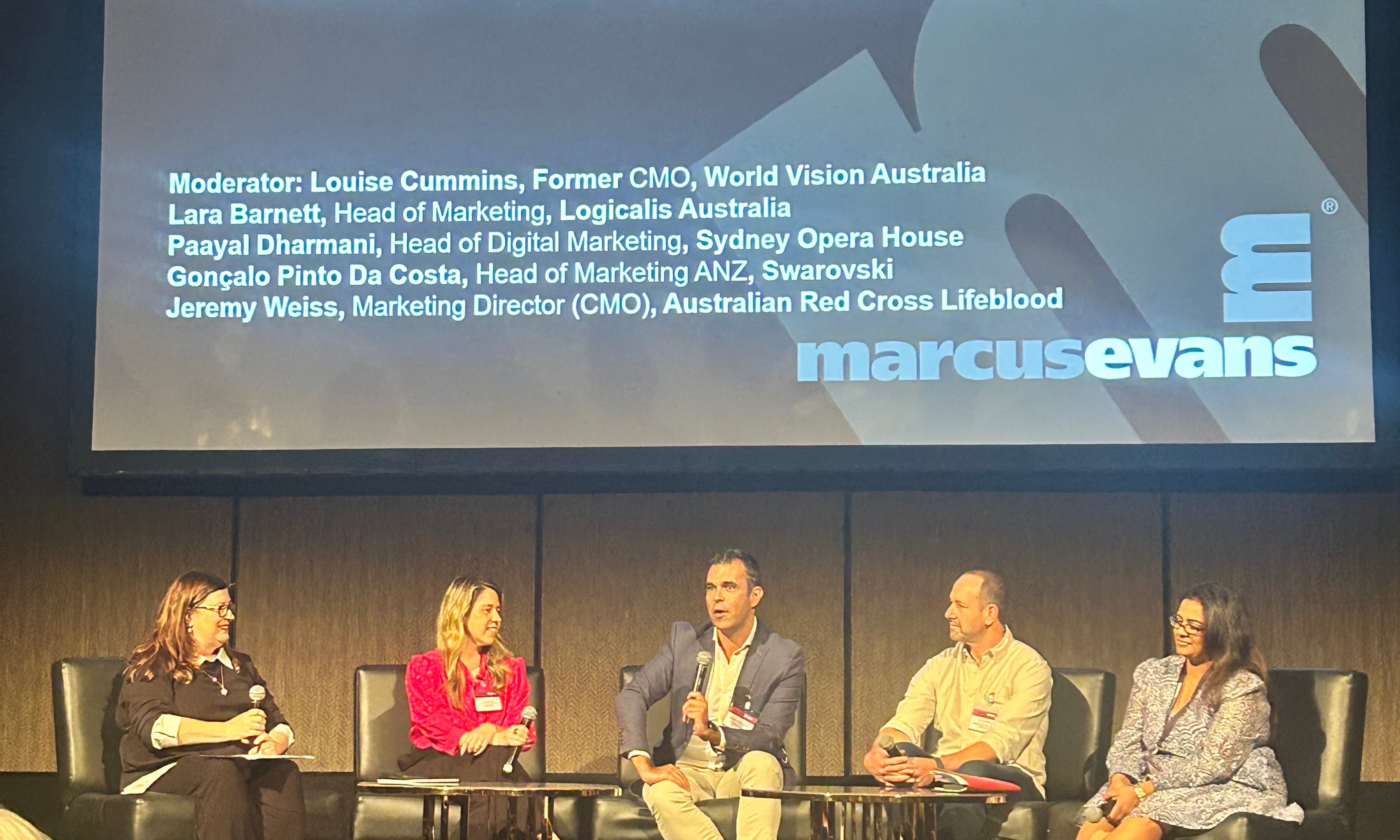

A potential US TikTok ban creates a major opportunity for non‑US creators to fill the content gap on the platform, allowing them to reach a broader global audience; success will require understanding diverse viewers, offering unique perspectives instead of copying US creators, and building lasting brand presence despite the uncertainty of the ban.
Matt Farnham